Shifting the Identity
What happens when a child becomes what they do—and how can we help them become who they are?
This post was originally published for Optima Mindset Coaching's blog, Mindset Matters. You can see more posts like it or find out more about Optima, HERE.
I was talking with a friend recently when she shared that another friend's son wanted to quit college football after his freshman year. His father wouldn’t allow him, which caused considerable underlying tension.

Here’s the part of that story that resonated with me: this boy didn’t become a “football
player” at 19. His identity had been shaped around that role long before he stepped foot on a college campus. Football wasn’t just something he did — it was who he was. An identity assigned to him, celebrated, and reinforced for most of his childhood.
Fast-forward a couple of decades, and that same boy — now in his 40s, with kids of his own — still struggles with a kind of unhealthy dependence on his family. It wasn’t a complete failure to launch, but it was definitely a shaky takeoff with long stretches of in-flight turbulence.
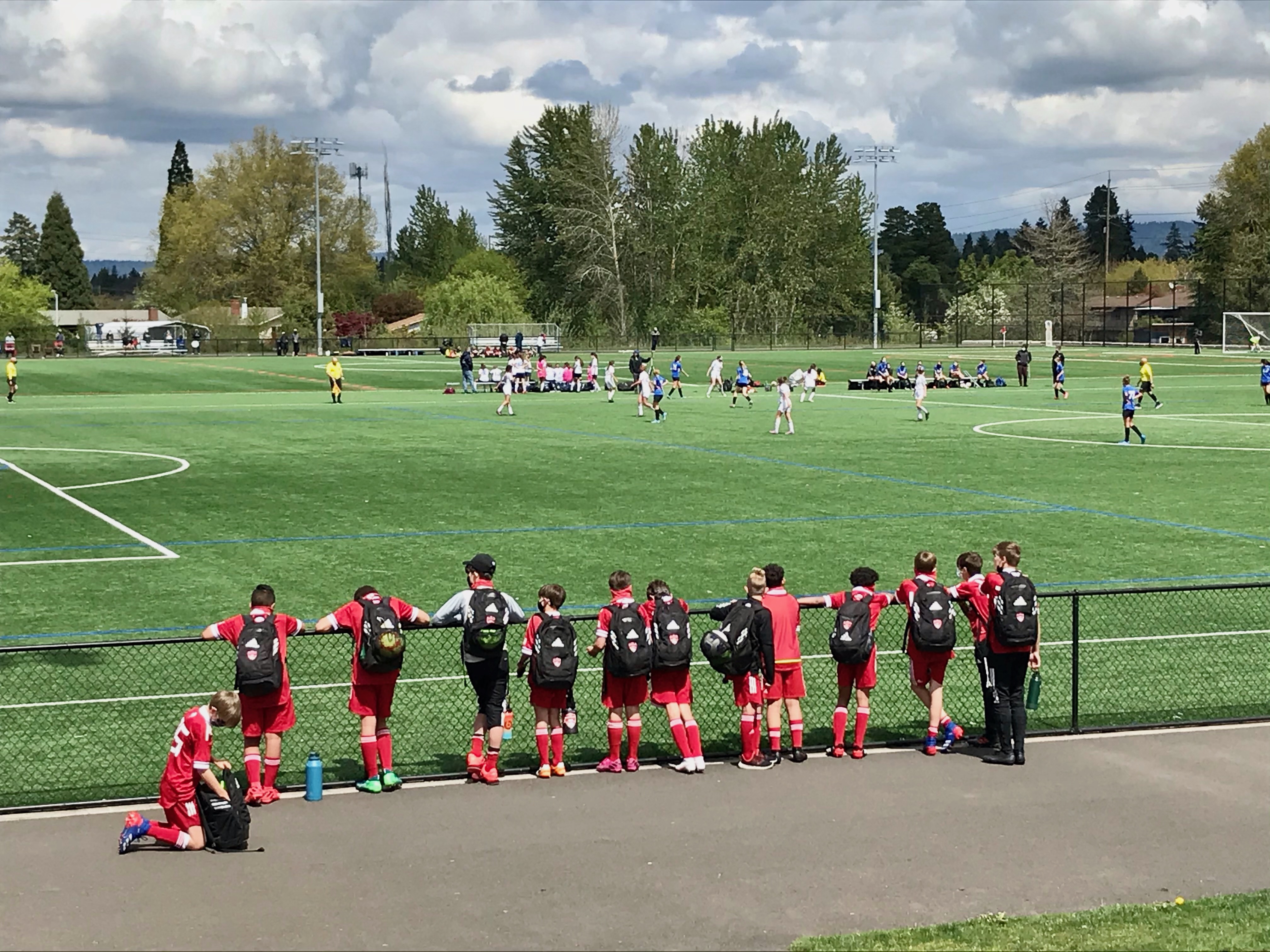
That conversation brought me back to an idea I see play out frequently in youth activities: what happens when a child’s entire sense of self is funneled into one role — the athlete, the musician, the straight-A student — before they have a chance to truly explore who they are.
As I was researching for this post, I came across a concept that precisely captures what I’ve observed unfold in real time for years: identity foreclosure.
The term was introduced by psychologist James Marcia in the 1960s while studying how adolescents form identity. In simple terms, identity foreclosure happens when a young person commits to an identity before they’ve had any real chance to explore who they are. They lock in early. They narrow their world. They adopt expectations and values handed to them — often by parents, coaches, or the culture around them — without ever asking, “Do I actually want this?”
Marcia also found that adolescents in the foreclosure status looked confident but had more fragile self-esteem. When they were put under stress, their performance dropped more quickly than that of those who had taken time to explore and choose their identity more freely.
Translate that into a sports environment, and the pattern feels familiar: when we tie a kid’s entire identity to being “the athlete,” pressure doesn’t just challenge their skills — it threatens who they are.
The longer I’ve been around, the more I’m realizing how much pressure a young person must feel when their whole identity has been laid out for them based on what they’re good at, rather than who they are. And when adults keep rewarding that narrow slice of them — the performance, the talent, the achievement — it’s easy for a kid to start believing that’s all they’re allowed to be.
The question we should be asking, as parents, coaches, and club directors, is: How do we help them avoid becoming caught in this cycle?
How do we support their ambition without squeezing their world so tight there's no room left for curiosity, exploration, or growth?
And perhaps more importantly, how do we ensure we’re not the ones unintentionally reinforcing the very pressure they’re struggling under?

1. Normalize Exploration
When we’re raising or coaching driven adolescents, one of the most protective things we can do is normalize exploration. Unfortunately, we tend to do the opposite.
Recent Articles
Share
