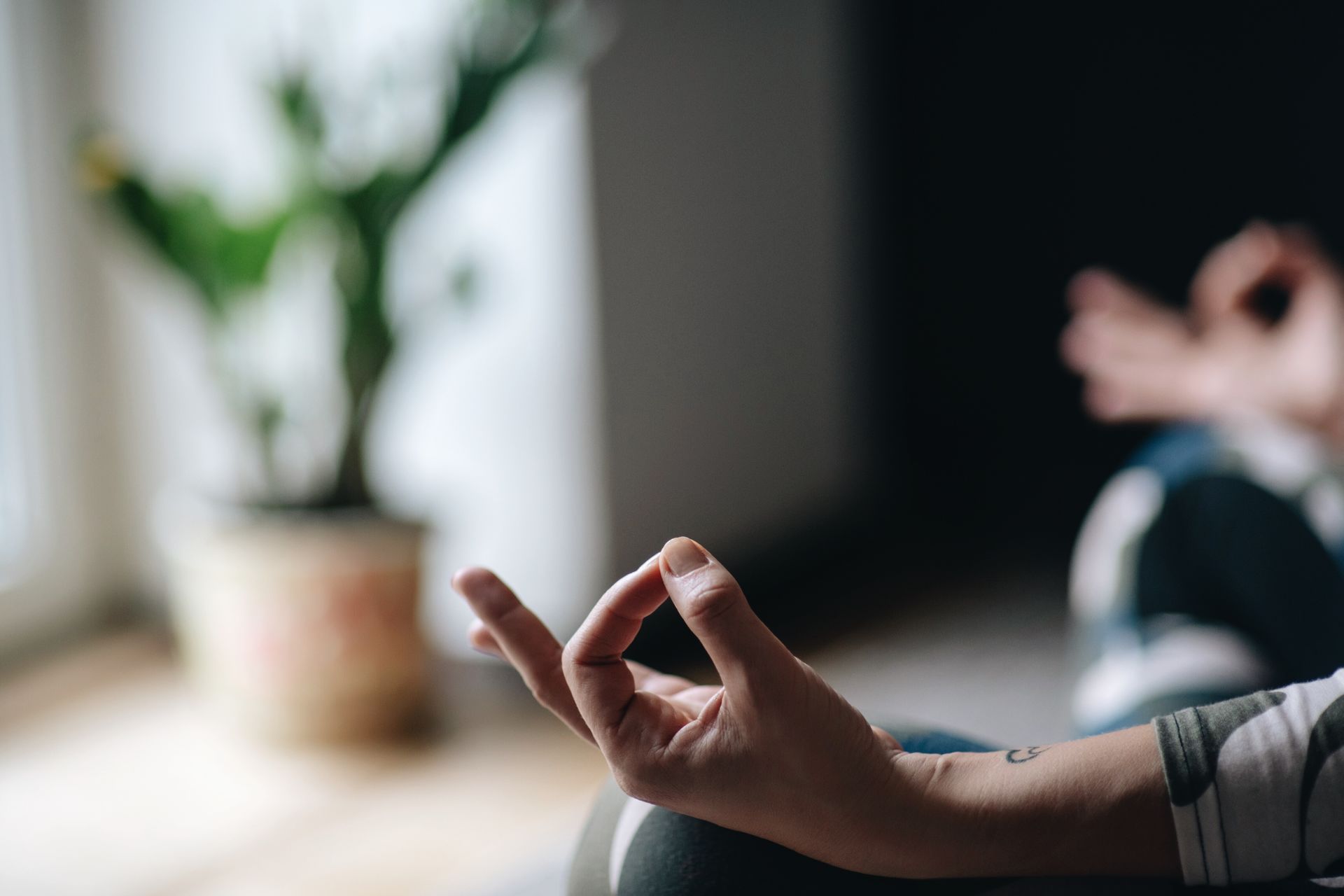
I used to think mindfulness meant sitting cross-legged on a cushion, eyes closed, breathing deeply while trying not to think. And failing miserably. I tried the apps, the guided tracks, the breathing timers. Sometimes I’d get a flicker of calm. Most times, I just got frustrated.
Then life knocked me flat—burnout, panic attacks, nights I couldn’t sleep even though I was exhausted. And somewhere in the wreckage, I stopped trying to “do” mindfulness and started living it.
I noticed it in the quiet before answering the phone. In the split second before I snapped back in a heated moment. In the way I caught myself thinking, Is this helping me or hurting me?
That’s when I got it:
Mindfulness isn’t something you schedule. It’s something you choose—in the tiny, quiet spaces of your day.
It’s how you speak to yourself when no one’s listening.
It’s whether you pause or push through when your body says stop.
It’s noticing the thought and not automatically believing it.
Meditation helps, sure. But the real shift happens in the ordinary. It’s in the way you drive, eat, listen, scroll. It's the difference between reacting and responding. Between being on autopilot and actually showing up for your life.
And it’s messy. It’s not about becoming some blissed-out monk. Some days, my “mindful moment” is me breathing through a supermarket queue while someone argues about coupons. But even that pause? That’s the work. That’s the win.
As a coach, I don’t hand people more to-dos. I help them bring awareness into what they’re already doing. Mindfulness that fits real life—not some ideal version of it.
So if you’ve “failed” at mindfulness because you couldn’t sit still or silence your mind—good. That means you’re normal.
Start small. Watch your morning coffee instead of your phone. Hear your thoughts without obeying them. Speak to yourself like you would to someone you love.
That’s mindfulness.
And over time, those small shifts?
They don’t just change your day. They change your whole life.
